
Featured episode · The CMO Whisperer
Kerry Gordy on the Brand Lessons of Motown, Prince and Rick James
The son of Motown founder Berry Gordy shares how Motown built a brand people asked for by name, why Rick James’s bookings dried up when he cleaned up his image, and how he turned a stalled Prince single into a hit with no major-label machine behind it.
Why this conversation matters
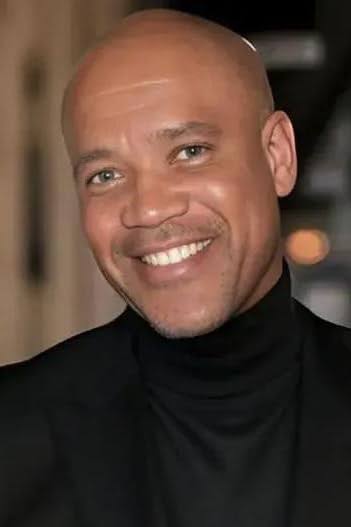
Kerry Gordy grew up inside Motown and went on to build a career of his own. He managed Rick James from 1996 until James’s death, ran Prince’s Paisley Park Records during the break from Warner Bros., later ran urban A&R at Warner, and pioneered the use of U.S. copyright termination to win artists back rights they signed away early in their careers. He and Steve met at an event at Harvard and have been close friends ever since.
For marketers, this episode is a masterclass in brand consistency told through stories you won’t hear anywhere else, including the full account of how “The Most Beautiful Girl in the World” went from a record a New York station was about to pull to Prince’s biggest hit to that date in London.
Steve’s take
Kerry is family to me. Every time we talk I learn something about brand that no business book teaches. His point is simple and it applies to every CMO listening: know who you are, know who you’re talking to, and don’t walk away from the brand your audience fell in love with. The Prince story alone is worth the listen.
Steve Olenski, host of The CMO Whisperer
Five takeaways for marketing leaders
Motown built a brand people asked for by name.
In the 1960s Motown positioned itself as the sound of young America, not only Black America. It had to be clean cut, non-political and safe for parents and kids to listen to together, and it held a strict quality bar. Kerry says people would walk into record stores and ask what was new from Motown, not from a specific artist.
Never walk away from the brand you built.
When Rick James came home from prison, Kerry cleaned up his image and booked him on talk shows. The phone stopped ringing, because his audience expected the irreverent character they knew. A deliberately unfiltered moment on a live award show brought them back, along with Chappelle’s Show and steady work again.
Give the audience what the brand promises.
Prince could finish a new record in a day. Kerry’s advice was to give him something funky and sexy with a hook, because that was the brand, and when Prince did, he had a hit, even with songs radio couldn’t play.
Win the market that sets the signal.
When New York’s WBLS was about to pull “The Most Beautiful Girl in the World” after six weeks, Kerry moved half his budget into that station’s listening area: club DJs, in-store play and video, counter displays and a 99-cent price at the register. Real sales showed up in the station’s research, rivals added the record, and it went national and then to London.
Know your psychographic, not just your demographic.
When a brand chooses music or an artist, Kerry says the question is how the audience thinks, not just who they are. Picking a star because an executive loved them 20 years ago rarely fits the brand.
In Kerry’s words
“If you’ve built that brand, it’s always dangerous to go against the brand that you’ve built.”On brand consistency
“Who is their target psychographic? That’s even more important than demographic.”On choosing music for a brand
“Sometimes credit is more important than the money.”On the advice he learned the hard way
What this means for CMOs
- Define what your audience expects. Write the three things your customers count on from your brand. Test every new campaign against them.
- Profile how your audience thinks. Add attitudes, values and tastes to your audience definition, not only age and income.
- Pick partners for fit, not fandom. Before signing an artist or creator, ask whether your audience would see the match as natural.
- Concentrate to break through. When something stalls, focus spend on the one market that influences the rest instead of spreading it thin.
- Protect the quality bar. Like Motown, decide what you won’t ship, even when lower-quality work would sell.
Frequently asked questions
What made the Motown brand so strong?
According to Kerry Gordy, Motown positioned itself as the sound of young America, kept a clean-cut, non-political image that families could share, and held a consistent quality standard. Fans asked for new Motown releases by label, not just by artist.
How did “The Most Beautiful Girl in the World” become a hit?
Kerry Gordy released it through independent distribution after Warner Bros. allowed Prince to put it out on his own. When New York’s WBLS was ready to drop it, he concentrated spending in the station’s listening area on clubs, in-store play and video, displays and a 99-cent counter price. Sales rose, other stations added it, and it became Prince’s biggest record to that date in London.
What is copyright termination?
A provision of the U.S. Copyright Act of 1976 that lets creators reclaim rights they assigned years earlier. Kerry Gordy has used it to help artists such as Smokey Robinson and Todd Rundgren renegotiate their deals.
What advice does Kerry Gordy give brands that want to use music?
Know who the brand is and who it speaks to, especially how that audience thinks. Choose music and artists that fit that audience, not an executive’s personal favorites.
Who is Kerry Gordy?
A music executive and producer and the son of Motown founder Berry Gordy. He managed Rick James, ran Prince’s Paisley Park Records and helped create the Netflix documentary Sunday Best about Ed Sullivan.
Keep listening
Subscribe to The CMO Whisperer newsletter
New conversations, event invitations and insights from Steve. Unsubscribe anytime.
New conversations every week
Steve Olenski talks with the CMOs and leaders shaping modern marketing. Unscripted and on the record.
